What Is Architectural Window Film and How Does It Work in Houma, LA & Houston, TX? The Gulf Coast climate delivers year-round UV intensity, persistent coastal humidity, and salt air that puts sustained pressure on every building across Houma, Louisiana and the Greater Houston, Texas area. Architectural window film is a professionally applied solution that bonds to the interior surface of fixed building glass and intercepts solar energy before it raises interior temperatures, degrades furnishings, and strains cooling systems across homes and businesses throughout the region. Defining Architectural Window Film Architectural window film is a thin, optically engineered layer applied to the interior surface of building glass. It works as a selective filter across the solar spectrum, managing heat, UV radiation, and glare without requiring window replacement or structural modification to the property. How Architectural Window Film Works Window film addresses solar energy at the glass surface before it enters the building interior. The solar spectrum carries visible light, infrared radiation, and ultraviolet radiation, each contributing differently to heat buildup, interior material damage, and occupant discomfort. Blocking Infrared Heat Infrared radiation is the primary driver of heat buildup in buildings with significant glass exposure. High-performance architectural films intercept infrared wavelengths at the glass surface, reducing interior thermal load without requiring a heavily tinted or darkened appearance. Filtering UV Radiation Ultraviolet radiation passes through standard untreated glass and causes cumulative damage to flooring, furniture, upholstery, artwork, and merchandise over time. Quality architectural film blocks the vast majority of UV radiation at the glass surface while maintaining a clear, natural interior view. Core Benefits for Gulf Coast Properties Louisiana and Texas Gulf Coast properties face a combination of sustained heat, coastal humidity, and year-round UV exposure that makes architectural window film a practical investment for both residential and commercial buildings. Heat rejection intercepts solar infrared energy at the glass surface, reducing interior temperatures and lowering the demand placed on air conditioning systems during the Gulf Coast’s extended summer season. Glare reduction softens intense afternoon light entering through south- and west-facing glass, improving comfort and usability in homes, offices, and storefronts without eliminating natural daylight. UV protection shields interior furnishings, flooring, artwork, and merchandise from the fading and material breakdown caused by sustained ultraviolet exposure through untreated building glass in Gulf Coast conditions. Architectural Film vs. Automotive Tint Architectural and automotive window films serve related purposes but are engineered as distinct products for distinct glass types. Architectural film is designed for large, flat building glass panels with different adhesive chemistry, thermal properties, and installation requirements than the curved glass used in vehicles. The installation process requires tools and methods specific to building glass, and the film specifications are calibrated for the structural and thermal dynamics of fixed building surfaces rather than vehicle windows. Choosing the Right Film Type for Your Property Film material and construction determine how well a product holds up under the Gulf Coast’s sustained UV intensity, coastal humidity, and salt air exposure. In a general sense, depending on the manufacturer, lower-grade dyed films can fade, discolor, or experience adhesive failure under the conditions Gulf Coast buildings face year-round. Nano-ceramic films represent the current performance standard for architectural applications, delivering strong infrared rejection and UV protection with non-metallic construction that preserves signal clarity for WiFi, smart home systems, and wireless devices throughout the building. Frequently Asked Questions About Architectural Window Film on the Gulf Coast How does architectural window film handle Gulf Coast humidity? Louisiana and Texas coastal humidity creates adhesive and material stress that lower-grade films can struggle to handle over time depending on the manufacturer. High-performance ceramic architectural films, such as those made by HITEK Films, are engineered to maintain adhesion, clarity, and heat rejection through the year-round humidity cycles and sustained UV exposure that Houma and Houston properties face. How is architectural film different from automotive tint? Architectural film is engineered for large, flat building glass with different adhesive systems, surface dimensions, and thermal properties than automotive glass. The installation methods and film specifications differ meaningfully from vehicle tinting, even when the same brand is used across both applications. How long does architectural window film last in Gulf Coast conditions? Premium architectural film installed by a certified professional is built to perform for many years without peeling, bubbling, or color shift. In a general sense, depending on the manufacturer, lower-grade dyed films can degrade significantly faster under the Gulf Coast’s sustained UV and coastal humidity load. High-performance ceramic films, such as those made by HITEK Films, are engineered for these demanding conditions and carry manufacturer warranty coverage reflecting their long-term durability. Does window film reduce cooling costs for homes and businesses in Houma and Houston? Window film reduces the solar heat entering a building through glass, which lowers the thermal load that air conditioning systems must manage during the Gulf Coast’s long cooling season. For properties with significant south- or west-facing glass, controlling heat gain at the glass level can contribute meaningfully to lower energy consumption over time.
Houma & Houston SUV Window Tint: Ceramic, Laws & 2026 Guide Drivers searching for the best window tint for SUVs Houma and Houston are dealing with one of the most demanding solar environments in the country. The Gulf Coast combination of extreme heat, persistent humidity, and sustained UV exposure hits large vehicles harder than standard sedans. More glass surface area means higher cabin heat loads and faster interior deterioration with every season. This guide covers which film technologies perform best in this corridor, how state law applies to large vehicles, and why factory privacy glass is not the protection most SUV owners assume it is. Why Ceramic Window Tint Is the Gulf Coast SUV Standard Along the Gulf Coast, high humidity compounds the heat problem inside large SUV cabins. Moist air retains heat longer, which forces the A/C to remove both thermal energy and moisture from a significantly larger interior volume simultaneously. In general, standard dyed films primarily darken glass and deliver limited infrared heat rejection, though performance varies by manufacturer. Nano-ceramic window tint, such as those made by HITEK Films, is engineered to block a significant portion of infrared radiation before it penetrates the glass, reducing radiant heat on surfaces and lowering the demand on the A/C system after parking in the Gulf Coast sun. Nano-ceramic film is also non-metallic, making it humidity-resistant and corrosion-free in salty coastal air where older metallic films can oxidize and degrade over time. Ceramic vs. Carbon Film for Gulf Coast Conditions The performance gap between ceramic and carbon is most apparent in humid, high-heat environments. In general, carbon films offer better color stability and moderate heat reduction compared to basic dyed options, though performance varies by manufacturer. The difference across film tiers is direct for large vehicle owners in this region: Dyed film provides basic privacy and minimal heat control. In general, it can fade or shift in color under prolonged UV and humidity exposure, though this varies by manufacturer. Carbon film improves color stability and delivers moderate heat reduction, but still allows a significant portion of infrared energy into large cabins during Houma and Houston summers. Nano-ceramic film, such as those made by HITEK Films, achieves the highest IR rejection and total solar energy rejection (TSER) while remaining signal-safe and durable in coastal conditions. Reducing infrared load allows the A/C to reach and maintain a comfortable set point with fewer compressor cycles, a measurable benefit on long drives along the I-10 corridor. The Factory Privacy Glass Problem Why Factory-Darkened SUV Windows Still Let Heat In Many full-size SUVs arrive with dark rear glass, and owners commonly assume this provides heat protection. It does not. Factory privacy glass is pigmented for appearance and visual privacy. In general, it provides limited infrared or UV rejection regardless of how dark it appears, though this varies by manufacturer. Rear passengers still experience significant radiant heat, and leather, plastics, and headliner materials continue absorbing infrared energy and radiating it back into the cabin throughout the day. Clear Ceramic Overlays and Full-Cabin Protection A clear or very light nano-ceramic overlay applied over existing factory dark rear glass adds genuine IR and UV blocking without making the windows any darker or reducing nighttime visibility. This approach delivers: Significantly reduced rear surface temperatures and radiant heat buildup. Protection for leather, plastics, and trim from UV-driven deterioration over time. Maintained outward visibility for passengers in low-light and rainy Gulf Coast conditions. Coastal Longevity and Warranty Salt air, persistent humidity, and intense UV all affect how long a window film maintains its performance. In general, metallic films can oxidize in coastal conditions and lower-quality dyed films can fade or delaminate under prolonged heat exposure, though this depends on the manufacturer. Ceramic and nano-ceramic films, such as those made by HITEK Films, are non-reactive by composition, maintaining their performance and appearance through years of Gulf Coast exposure. Quality ceramic installations typically include a lifetime warranty covering bubbling, peeling, color change, and adhesive failure Frequently Asked Questions Do Louisiana and Texas have different tint laws for SUVs? Both states require a minimum VLT on front side windows. They differ in how they regulate rear windows on SUVs. Drivers who travel between both states should confirm rear window specifications before selecting a film shade to ensure compliance on both sides of the state line. What is the best tint for a panoramic sunroof? A nearly clear nano-ceramic film in a high VLT range blocks a significant portion of IR and UV while remaining nearly invisible, preventing the roof panel from functioning as a heat sink over rear passengers. Does ceramic tint help with Gulf Coast humidity? Yes. Ceramic film blocks the infrared radiation that humidity amplifies inside large SUV cabins, allowing the A/C to reach a comfortable temperature faster and cycle less frequently to maintain it. Is factory SUV privacy glass the same as aftermarket tint? No. Factory privacy glass is pigmented for appearance but provides limited infrared or UV protection. A nano-ceramic overlay adds the heat and UV rejection that factory glass does not deliver on its own. 📞 Call *phone number* for a professional assessment of your vehicle and find out which nano-ceramic film package delivers the right heat rejection, coastal durability, and legal compliance for your SUV across the Gulf Coast.
Best Window Tint for Windshields in Houma, LA & Houston, TX: Legal & Safe Options If you are researching the best window tint for windshields Houma LA and Houston TX drivers can use without risking tickets or inspection issues, the decision requires more than picking a dark shade. Gulf Coast vehicles face intense humidity, prolonged sun exposure, and two different legal frameworks. The best window tint for windshields Houma LA and Houston TX offers for cross-border compliance must balance legal VLT Houma vs Houston standards, glare control, and high infrared rejection. This guide explains Louisiana windshield tint law 2026, Texas AS-1 line rules, and why the best ceramic tint for Gulf Coast humidity focuses on heat rejection rather than darkness alone. Navigating the Law: Louisiana vs. Texas Windshield Tint Rules (2026) Understanding the difference between Louisiana windshield tint law 2026 and Texas regulations is critical for anyone traveling between Houma and Houston. The AS-1 Line Rule: The Universal 5-Inch Standard in Both States Both Louisiana and Texas restrict darker windshield tint to the AS-1 line or the top five inches of the glass. This band, often called the “eyebrow,” must be non-reflective. Tint below the AS-1 line enters the driver’s primary viewing area. In both states, that area must remain essentially clear to preserve forward visibility in rain, glare, and nighttime driving. Louisiana RS 32:361.1 – Stricter Side-Window Limits for Houma Drivers Under Louisiana RS 32:361.1, front side windows must allow at least 40% VLT. This is stricter than Texas. A vehicle set up with darker Texas-legal side windows can receive a citation once it crosses into Louisiana. For Houma drivers, that 40% VLT threshold becomes the practical baseline for cross-border compliance. Texas Vehicle Code 547.613 – The 25% VLT Eyebrow Rule in Houston Texas Vehicle Code 547.613 allows a non-reflective sun strip above the AS-1 line that can go down to about 25% VLT. However, the entire windshield must maintain a high total light transmission. Texas is clearer about permitting very light, non-reflective films across the full windshield as long as the final net VLT remains at or above the required threshold. Louisiana often interprets full-windshield applications more strictly, limiting darker material to the top band only. Why Ceramic Tint Is Non-Negotiable for the Gulf Coast Heat along the Gulf Coast is not just bright. The “wet-bulb” effect in Houma traps heat against glass surfaces. In Houston, prolonged freeway exposure along I-10 and I-45 magnifies cabin temperatures. This is where high-IR rejection windshield film becomes essential. Beating Houma Humidity: Nano-Ceramic Blocks Heat in Wet-Bulb Conditions Nano-ceramic technology targets infrared radiation instead of simply reducing visible light. In humid climates, this distinction matters. A clear nano-ceramic 70% VLT film can significantly reduce heat buildup while maintaining near-factory appearance. Unlike basic dyed films (depending on the manufacturer), advanced nano-ceramic options, such as those made by HITEK Films , are made for long-term color stability and consistent infrared rejection. The result is lower interior surface temperatures and less strain on air conditioning systems during extended Gulf Coast summers. Houston I-35/I-10 Glare: Benefits of a Non-Reflective Sun Strip Low-angle sun on Houston highways creates direct glare during morning and afternoon commutes. A properly installed non-reflective AS-1 strip helps cut that glare without affecting traffic light visibility or drawing enforcement attention. Because Texas permits darker VLT in the eyebrow area, many Houston drivers use this zone strategically for glare management while keeping the primary windshield area light. Total Solar Energy Rejection (TSER): Why Darkness Isn’t Enough Darkness does not equal performance. Total Solar Energy Rejection (TSER) measures how much total solar energy is blocked. High-quality ceramic films can deliver strong TSER values even in lighter shades. For Gulf Coast conditions, selecting film based on TSER and IR rejection provides better comfort than relying on shade percentage alone. The Best Legal Setup for Cross-Border Drivers Drivers who frequently travel between Houma and Houston need a configuration that satisfies both states while delivering effective heat reduction tint for Houston summers. The “Safe Bet” VLT % – 40% Sides as the Multi-State Magic Number A practical cross-border setup includes: 40% VLT ceramic on front side windows Non-reflective AS-1 strip within legal limits Non-metallic ceramic construction Using 40% on the sides aligns with Louisiana’s stricter requirement while remaining fully compliant in Texas. This prevents the common cross-border trap where a Texas-legal setup fails Louisiana enforcement standards. Full Windshield Solutions – Clear 80% Ceramic for UV Protection For full-windshield applications, a clear ceramic film in the 70–80% VLT range offers meaningful UV and infrared protection with minimal visible change. In Texas, this approach can comply if the final net VLT remains within legal limits. In Louisiana, lighter clear films reduce enforcement risk compared to darker alternatives, as the state typically limits tint strictly to the AS-1 band. High-performance clear ceramic films, such as those made by HITEK Films , provide strong UV filtration and heat rejection while maintaining signal compatibility for toll tags and navigation systems. FAQs Is clear ceramic tint legal on the full windshield in Louisiana? No in most interpretations. Louisiana typically limits tint to the AS-1 line only. Texas allows clear films if the final net VLT remains at or above required thresholds. Can I get a ticket in Louisiana if my car is legal in Texas? Yes. A vehicle that meets Texas 25% side-window flexibility can violate Louisiana’s 40% requirement once driven there. What is the best tint for preventing dashboard damage in Houston? High-IR ceramic film with strong TSER performance. It reduces heat buildup and slows interior fading in intense Gulf Coast sun. Does windshield tint affect TxTag or toll systems? No, if the film is non-metallic ceramic. Modern nano-ceramic products do not interfere with toll tags, GPS, or wireless signals. 📞 Call *phone number* and get professional advice—ensure your windshield tint stays compliant in both Louisiana and Texas while delivering serious Gulf Coast heat protection.

How Long Does Window Tint Last in Houma, LA & Houston, TX? If you’re researching how long window tint lasts in Houma and Houston, you’re likely trying to avoid bubbling, discoloration, or premature replacement in Gulf Coast conditions. Heat shortens window film life, but extreme humidity, salt exposure, and prolonged sun compound stress on film and adhesive. This guide explains realistic lifespan expectations, how Houma and Houston differ, and what material choices and care practices help window tint last longer. Gulf Coast Lifespan: What to Expect in 2026 How long window tint lasts in Houma and Houston depends on film construction, installation quality, and daily exposure. Both cities experience high UV levels and long hot seasons, but Houma adds coastal humidity and salt air, while Houston adds urban heat retention that keeps glass hot into the night. In general Gulf Coast conditions, typical lifespan expectations are: Dyed window film: Often lasts several years before fading or color shift becomes noticeable, depending on manufacturer quality and exposure Carbon window film: Usually provides a longer service life with better color stability and moderate heat rejection Ceramic and nano-ceramic film: Commonly delivers the longest lifespan, maintaining heat and UV performance well beyond other categories Gulf Coast window tint lifespan trends lower when budget films face full sun and higher when advanced, high-TSER ceramic films are used. Because Louisiana and Texas follow similar front-window standards, durability and performance matter more than simply choosing darker glass. Material Durability: From Budget to Long-Term Tint On the Gulf Coast, film material matters more than in cooler or drier regions. The differences between dyed, carbon, and ceramic films determine how well tint survives heat, humidity, and UV exposure over time. Dyed Film: Why Gulf Coast Sun Causes Early Discoloration Dyed window film relies on colorants to reduce glare and visible light. In a general sense, dyed films can fade or shift color over time, but results vary by manufacturer and environmental exposure. In Houma and Houston conditions, dyed film may: Lose color stability under constant UV exposure Allow higher heat buildup, which stresses the adhesive layer For drivers who want a more durable option, advanced alternatives such as those made by HITEK Films use non-dyed technology to avoid these issues and maintain consistent appearance longer. Carbon Film: Balanced Performance for Gulf Coast Driving Carbon film improves on dyed technology by embedding carbon particles within the film structure. This design enhances color stability and heat rejection without using metal. Carbon films generally offer: Better resistance to UV-related color change than dyed film Reliable performance for vehicles with mixed sun and shade exposure While carbon films last longer than dyed options in most cases, they do not provide the same level of infrared heat rejection as ceramic technology. For maximum thermal control, ceramic remains the stronger choice. Ceramic and Nano-Ceramic: Built for Long-Term Gulf Coast Exposure Ceramic and nano-ceramic window films represent the highest tier of durability and performance. These films use non-metallic ceramic particles to manage heat and UV without affecting electronics. For Gulf Coast drivers, ceramic films provide: Strong UV protection and infrared heat rejection. Stable color and clarity under prolonged sun exposure Long-term resistance to bubbling and delamination High-quality ceramic films, such as those made by HITEK Films , are made for high-heat environments and are often chosen by drivers who want a long-term solution rather than frequent replacement. The Survival Factors: Humidity, Salt, and Sun Houma and Houston share a hot climate, but the specific stressors on window tint differ between the two cities. Humidity and the Curing Process High humidity window tint curing is a defining Gulf Coast factor. After installation, moisture must evaporate from between the glass and film for the adhesive to fully bond. In both Houma and Houston: Light haze or moisture patterns may remain visible longer than in dry climates Rolling windows down too soon can disrupt curing and weaken adhesion Allowing a longer initial curing period helps ensure long-term performance, especially during peak humidity months. Thermal Stress from Houston’s Heat Retention Houston’s urban landscape retains heat well after sunset. Vehicles parked on concrete or asphalt often remain hot for extended periods, increasing thermal stress on window film. Repeated heating and cooling cycles can accelerate failure in lower-grade films. Ceramic films with strong adhesive systems are better equipped to handle these temperature swings over time. Salt Air and Seal Wear Near the Coast Houma’s proximity to coastal air introduces salt and fine debris into window seals. Over time, these particles accumulate and increase friction along film edges. This can lead to: Edge wear and lifting Reduced lifespan if seals are not kept clean Choosing durable film and maintaining clean gaskets is especially important in coastal environments. FAQs Does humidity cause window tint to bubble? Humidity slows curing but does not cause bubbling by itself. Persistent bubbles usually relate to film quality or installation factors. Is 25% tint legal in both Louisiana and Texas? Yes. Current regulations in both states align around a 25% VLT standard for most front side windows. Why does window tint sometimes change color early? In a general sense, color change is linked to dye breakdown under UV exposure. Non-dyed options from HITEK Films are designed to avoid this issue. How long should windows stay up after tinting in high humidity? Allowing about a week before rolling windows down helps ensure proper curing in Gulf Coast conditions.
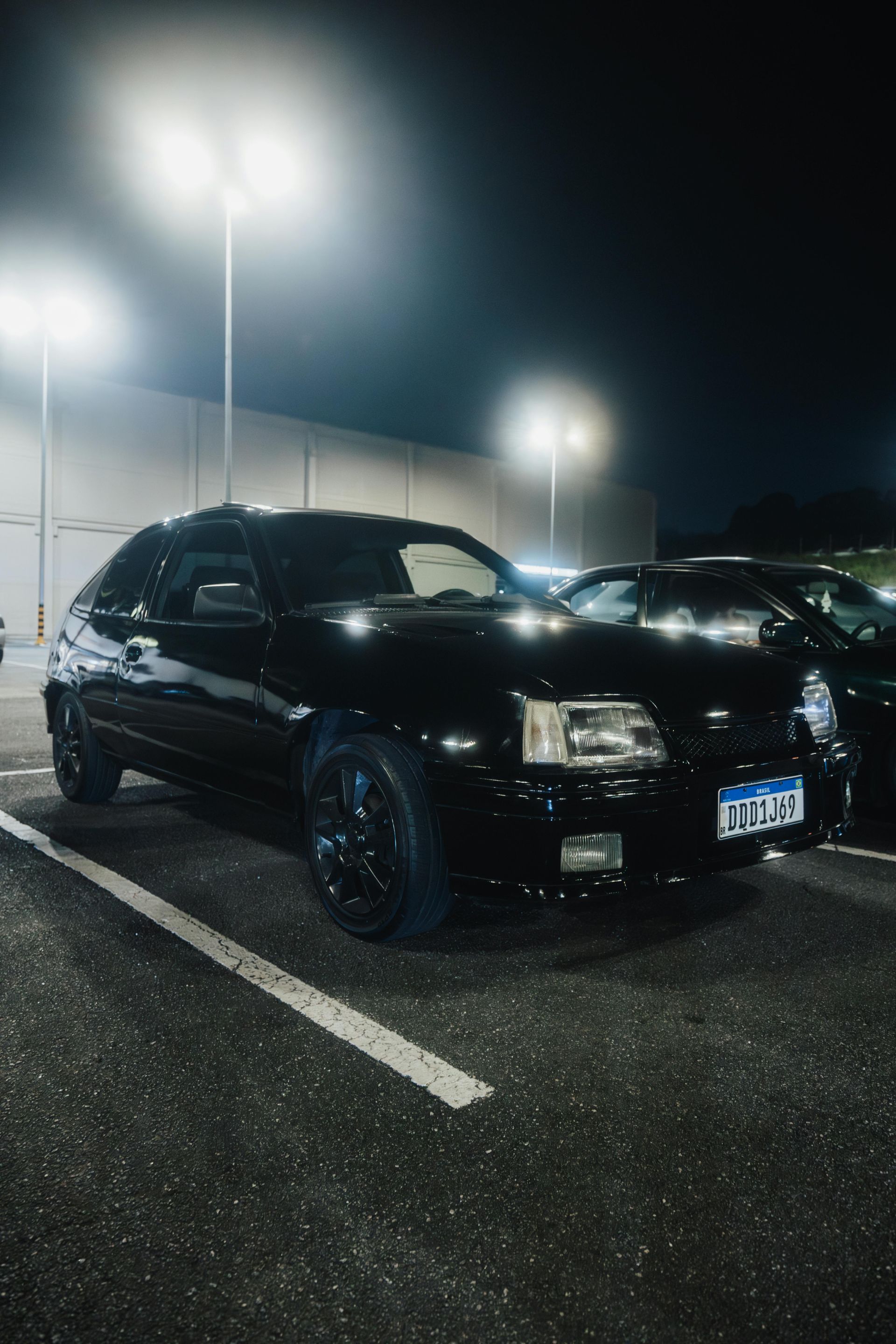
Window Tint and Night Visibility: Truth for Houma LA & Houston TX Gulf Coast Conditions Drivers in Houma, LA, and Houston, TX, weigh window tint for heat, UV protection, and privacy in Gulf Coast sun. But does it impact night visibility? Yes, tint reduces light transmission, complicating low-light driving on foggy bayous or glare-heavy freeways. Degree depends on VLT, film type, and conditions like fog in Terrebonne Parish or storms in Harris County. Premium films keep optical clarity in darker shades for safe views. HITEK Films offer reliable options for humid LA/TX climates, balancing benefits without excess dimness. What Is Window Tint and How Does It Affect Night Visibility? Window tint limits incoming light, affecting night vision based on visible light transmission (VLT), which is the percentage of light passing through film and glass. Higher VLT ensures clearer views; lower VLT increases privacy but dims interiors, heightening risks in fog or glare. Quality films like nano-ceramic provide sharp optics without interference, ideal for Houma’s rural bayous or Houston’s I-10 corridor. They reduce headlight glare while maintaining visibility, countering Gulf Coast transitions from bright days to stormy nights. Does Window Tint Actually Affect Visibility at Night? Real Impacts Yes, tint reduces visibility, but premium choices mitigate this. Darker levels block ambient light, complicating navigation in Houma’s fog or Houston’s post-sunset storms. Moderate tints filter harsh beams effectively. Higher-quality films sustain 99% clarity across shades, outperforming basics in humid conditions. The glare paradox: well-selected ceramic at 35%+ can reduce oncoming headlight glare, improving comfort. How Much Does Visibility Change in Houma & Houston Conditions? Tint reduces light by 15-50% depending on VLT, amplifying issues on dark US-90 in Houma or I-10 in Houston. Local drivers report better glare control but delays spotting hazards like wildlife or pedestrians. Visibility holds in lit urban areas. Pair with clean windows and adaptive habits, but tint doesn’t offset complete fog or rain. Gulf humidity causes condensation, worsening haze on degraded films. Window Tint vs Regular, Carbon, and Other Tints in Gulf Coast Nights Ceramic vs regular tint in LA/TX shows superiority. Dyed films fade or haze from UV and humidity, though quality varies by manufacturer. Carbon offers moderate clarity but lags ceramic’s low distortion and glare reduction.Metallic can distort or interfere with signals. In Gulf Coast climate, ceramic vs carbon favors ceramic for clarity, stability, and best tint for foggy, humid night driving. HITEK Films’ Ceramic films excel here with minimal distortion and strong glare control. They handle Gulf Coast humidity without fading or signal issues, outperforming dyed, carbon, and metallic options for clear night vision. Benefits of Window Tint Specifically for Houma & Houston Drivers Quality tints cut harsh glare from headlights, easing eye strain on rural bayous or urban freeways. UV blocks prevent interior fading from intense sun.Reduced distortion aids navigation in mixed lighting. Benefits include safer drives amid wildlife on US-90 or pedestrians in Midtown Houston, plus fuel savings from lower AC use in heat. Louisiana Window Tint Laws (What Houma Drivers Need to Know) Louisiana window tint laws set 25% VLT minimum for front side windows (down from 40%). Rear side: 25%; back: 12%. No tint on most windshields.Reflectivity capped to prevent headlight hazards. No medical exemptions for darker front tint. Non-compliance risks tickets or inspection failures. Texas Window Tint Laws (What Houston Drivers Need to Know) Texas requires 25% VLT minimum on front sides. Rear any darkness with dual mirrors. Windshield: non-reflective top 5 inches or above AS-1 line. Reflectivity under 25%.Failed annual inspection blocks registration. Aligns closely with LA front rules for I-10 cross-state commuters. How Gulf Coast Conditions Make Tint Choice Critical Dense fog in Houma reduces sight through dark tint; humidity causes haze. Houston’s freeway glare and storms dim views further. Cheap films degrade faster in UV, bubbling and distorting night vision. Is Window Tint Worth It for Night Driving in Houma & Houston? Tint boosts glare reduction but can’t eliminate fog or storm challenges. Darker shades amplify shadows. In the humid Gulf Coast, low-quality films bubble from moisture. Premium ceramic resists, justifying investment for balanced safety and comfort. Choosing the Best Window Tint Brands for LA & TX HITEK Films’ ceramic lines excel in clarity, warranties, and haze resistance. Seek UV/moisture coverage. For Houma or Houston, prioritize nano-ceramic like Ceramic Ultra for Gulf Coast demands. FAQs Does window tint affect visibility at night in Houma LA / Houston TX? Yes, darker tints reduce light and challenge visibility in fog, storms, or unlit areas, but premium ceramic at 35% VLT maintains clarity while cutting glare. How much does dark window tint reduce visibility? Dark tint cuts visible light 15-50% by VLT; ceramic offers sharper optics than dyed films. Is window tint worth it for Gulf Coast nights? Yes, it provides glare reduction and UV protection that outweigh risks at legal VLT levels. Can you put tint on the windshield in LA/TX? Yes, non-reflective top strips are legal in both states above the AS-1 line. What’s the best tint for night clarity in Houma/Houston? Ceramic tint like HITEK Films’ Ceramic ULTRA gives minimal distortion and glare reduction without interference. Does tint reduce glare from headlights in humid climates? Yes, quality tint softens headlight glare and improves comfort; clean regularly for best results.
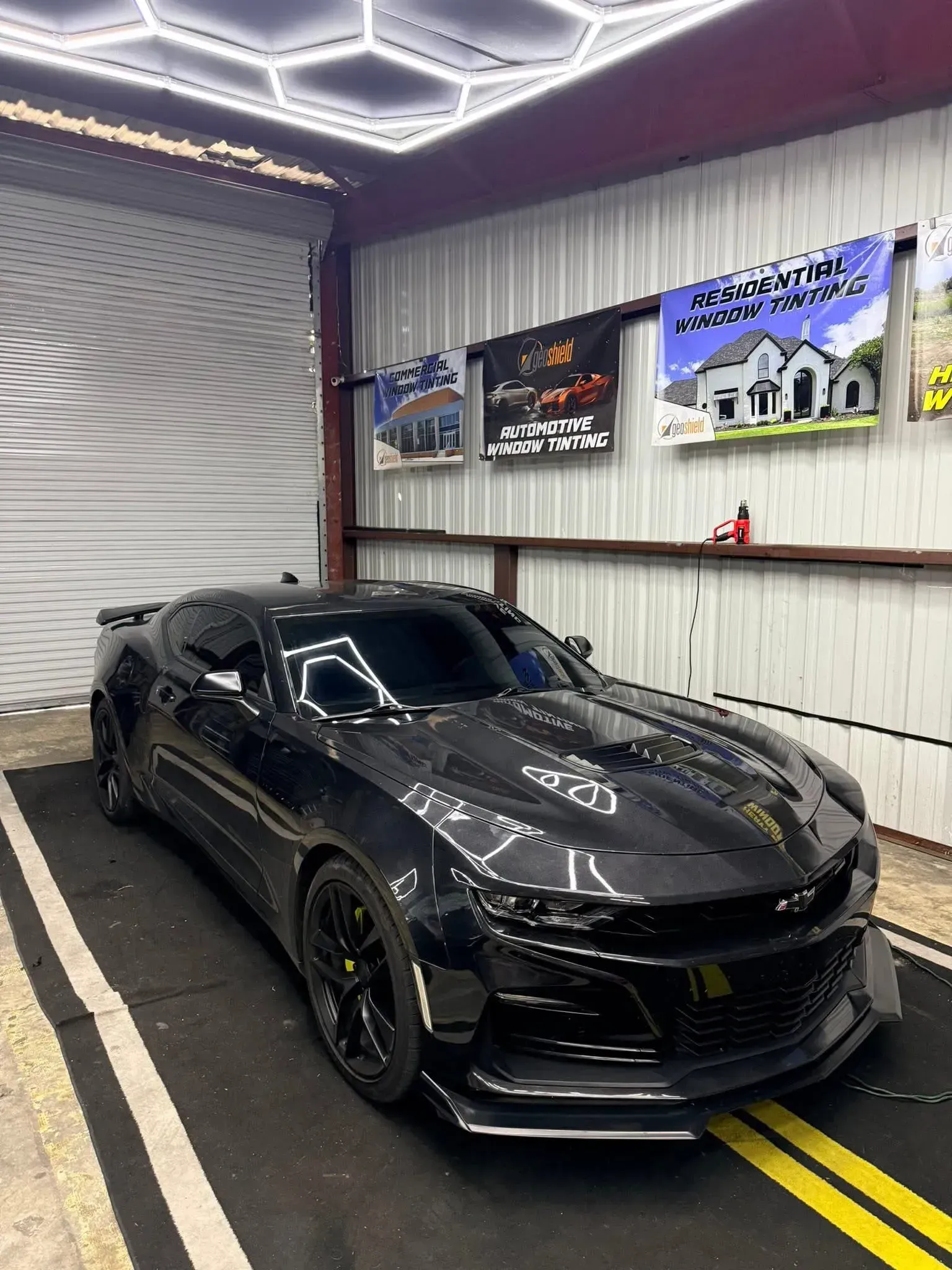
Does Ceramic Window Tint Actually Keep Houma, LA & Houston, TX Cars Cooler? Houma LA and Houston TX endure brutal Gulf Coast summers with average highs of 90–95°F that often feel over 100°F due to high humidity, turning parked vehicles into ovens within minutes. Drivers in both areas frequently ask whether ceramic window tint Houma LA Houston TX truly cuts interior heat or if it’s mostly marketing hype. The answer is yes, premium nano-ceramic films block substantial heat through high infrared heat rejection, typically 90%+ IR, creating noticeably cooler cabins and reducing AC strain. Performance depends on film quality, professional installation, and how the film handles humid conditions. HITEK Films ’ nano-ceramic lines, including Ceramic Ultra and Ceramic IR, deliver reliable results engineered for Louisiana and Texas’s hot, humid climate. What Is Ceramic Window Tint and How Does It Work? Nano-Ceramic Technology Explained Ceramic window tint Houma LA Houston TX embeds microscopic nano-ceramic particles that target infrared heat rejection, the primary carrier of radiant heat from sunlight. This non-metallic design blocks heat without interfering with GPS, cell signals, or radio reception, a common problem with older metalized films. HITEK Films’ Ceramic Ultra achieves up to 96% IR rejection at 1025nm and 71% total solar energy rejection (TSER), while Ceramic IR provides 75% broad-range rejection across 740–2500nm. The film intercepts solar energy at the glass surface before it enters the cabin, directly addressing the challenges posed by Louisiana Texas humidity. Does Ceramic Tint Actually Block Heat? Real Performance Stats IR Rejection, TSER, and Heat Reduction Numbers Premium ceramic tint heat rejection delivers measurable performance. HITEK’s Ceramic Ultra reaches up to 71% TSER and 96% IR rejection, with 99% UV block across all shades. Their Ceramic Plus line offers 90–92% IR rejection and 61–69% TSER depending on visible light transmission (VLT). Top-tier nano-ceramic films can achieve up to 98% IR rejection, significantly outperforming basic or carbon films in radiant heat block Louisiana Texas. How Much Cooler Does Your Car Get in Houma LA & Houston TX? Ceramic tint reduces car interior temperature by 20–40°F after 1 hour in humid 95–105°F sun. Houma LA and Houston TX drivers report less intense entry heat and faster AC cooldowns when returning to their vehicles. Interiors remain measurably cooler in Gulf Coast heat. However, vehicles parked all day in direct sun still accumulate heat through convection and road radiation. Ceramic tint slows buildup significantly but doesn’t eliminate it entirely. Pairing tint with shade parking or cracked windows improves results. Ceramic Tint vs Regular, Carbon, and Other Tints in Louisiana & Texas Heat Why Ceramic Wins for Hot Summers Ceramic vs regular tint LA TX reveals clear performance differences. Dyed or basic films in general offer limited IR block and can fade over time depending on the manufacturer. Carbon films improve over dyed options with moderate IR rejection but fall short of ceramic’s 90%+ IR and higher TSER. Metalized films may block heat effectively but interfere with electronic signals. In the humid Gulf Coast climate, ceramic vs carbon tint favors ceramic for maximum heat block Louisiana Texas, long-term stability, and signal clarity, making it the best tint for Louisiana Texas heat. Benefits of Ceramic Tint Specifically for Houma LA & Houston TX Drivers UV Protection, Glare Reduction, and AC Savings HITEK Films reject 99% UV rays, preventing interior fading and cracking under intense Gulf Coast sun. Glare drops sharply, improving visibility during long commutes on I-10 or Highway 90. Lower cabin temperatures ease AC workload. Practical benefits include reduced fuel consumption from shorter cool-down times in Houma LA and Houston TX traffic, though savings vary based on driving habits and vehicle type. Windshield Options for Maximum Heat Block Clear nano-ceramic films like HITEK Ceramic Clear (42% TSER) maximize infrared heat rejection without darkening the windshield. Louisiana and Texas law permits non-reflective tint on the top 5–6 inches of the windshield, and fully clear UV/IR films across the entire windshield are legal in both states. These clear films provide substantial cooling gains without visibility concerns or enforcement issues, particularly effective against humid glare. The trade-off is higher upfront investment versus daily comfort improvement. Is Ceramic Window Tint Worth It in Houma LA & Houston TX? Pros and Cons Limitations and Realistic Expectations Ceramic tint dramatically slows heat buildup but doesn’t eliminate it. Prolonged exposure in humid conditions means parked cars still warm from convection and radiant road heat. Shade parking or ventilation remains important. Avoid expecting zero heat accumulation, ceramic tint works with airflow, not instead of it. In Louisiana Texas humidity, low-quality films can bubble from moisture trapped during installation. Premium films, such as those made by HITEK Films , include moisture-resistant adhesives and professional-grade construction to prevent this issue. Choosing the Best Ceramic Tint Brands for Louisiana & Texas HITEK Films excels with Ceramic Ultra (96% IR, 71% TSER, lifetime warranty) and Ceramic IR (75% IR, color-stable technology). Both lines deliver consistent performance in hot, humid conditions. Look for warranties covering moisture damage and UV exposure. HITEK Films’ lifetime coverage ensures long-term performance without replacement concerns.
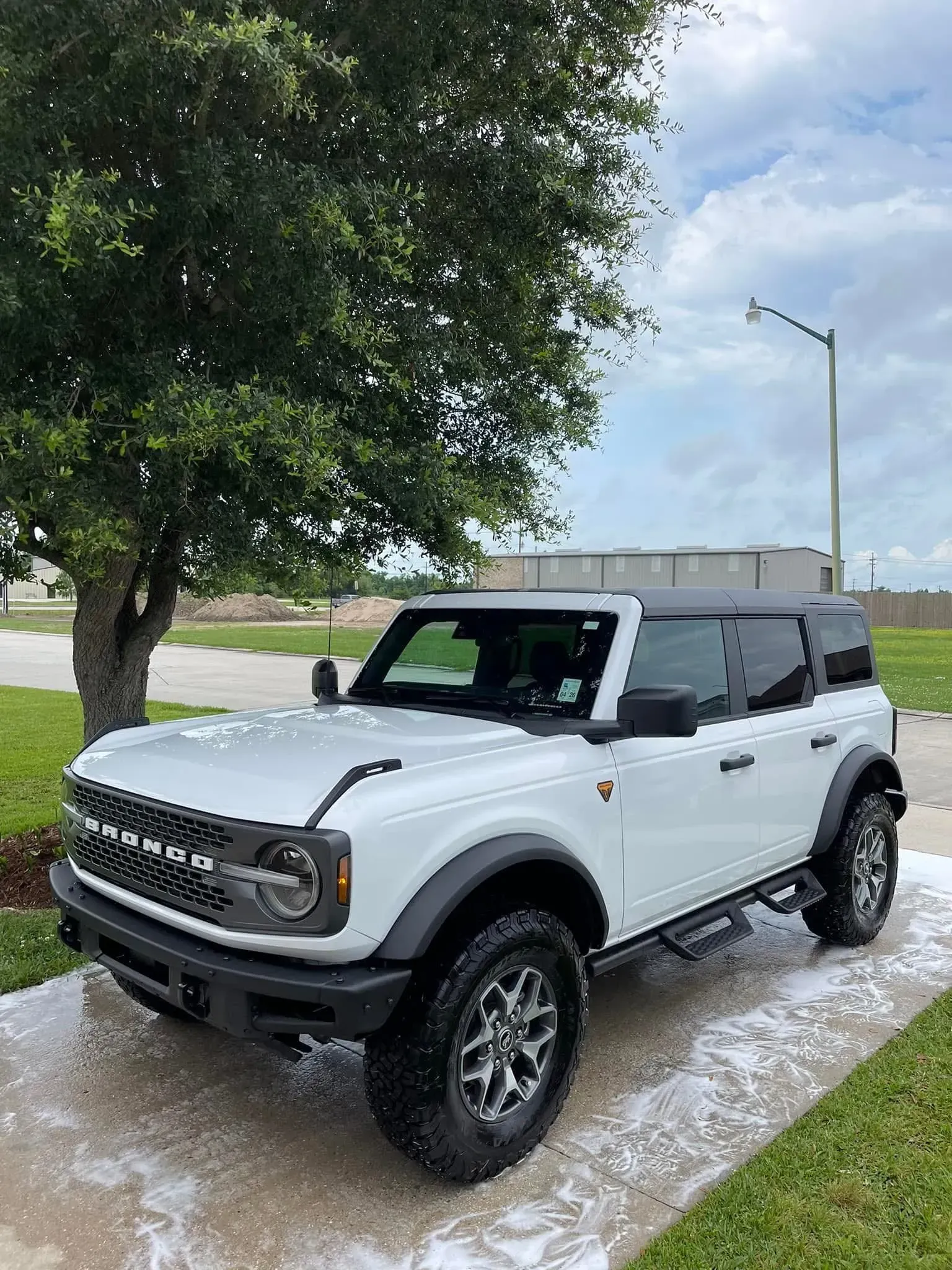
Houston & Houma Car Tint: Is "Budget Tint" a Waste of Money? You’re evaluating whether is cheap window tint a waste of money in Houma LA & Houston TX because Gulf Coast humidity and persistent heat place unusual stress on vehicle glass, adhesives, and film coatings. Low-cost tint options promise fast relief, but in this region, durability matters more than darkness. This guide explains why cheap tint fails in Gulf Coast conditions, how heat and humidity affect different film types, and why long-term performance depends on material stability rather than initial appearance. Why Cheap Window Tint Fails on the Gulf Coast Cheap window tint fails rapidly when extreme humidity in Houma combines with prolonged heat exposure in Houston. This dual environment overwhelms budget film materials that were never engineered for coastal conditions. Generic dyed films often look acceptable at first, but deterioration accelerates when moisture penetrates adhesive layers and heat weakens protective coatings. Why Window Tint Turns Purple and Bubbles in Gulf Heat Many Gulf Coast drivers ask why does tint turn purple in the sun and why bubbles appear within a few years. In a general sense, dyed films can fade or shift color over time, but this depends heavily on the manufacturer, dye chemistry, and coating quality. Lower-grade dyed films are more prone to ultraviolet degradation and long-term color instability. When this degradation occurs, the film loses optical clarity and heat-control performance. For drivers seeking better long-term stability, higher-grade alternatives are typically more reliable, such as those made by HITEK Films , which use non-dye-based constructions designed to resist color change. UV vs Infrared Heat: Why Dark Tint Doesn’t Mean Cool Understanding UV vs. infrared heat is essential in the Gulf Coast. Dark tint can block ultraviolet radiation, but infrared energy is responsible for most cabin heating. When a film does not manage infrared heat effectively, interior temperatures rise even when the glass appears dark. True infrared (IR) heat rejection requires advanced film structures that reflect and disperse radiant energy before it enters the cabin. This distinction explains why some dark films feel hot to the touch while higher-grade films keep interior surfaces noticeably cooler. How Gulf Coast Humidity Destroys Cheap Tint Adhesive Quality humidity-resistant tint adhesive is rarely used in budget films. In high-humidity environments, water-based adhesives may never fully cure. Moisture becomes trapped between film and glass, forming micro-bubbles that expand when exposed to direct sun. These defects cannot be repaired and require full removal. Ceramic films use moisture-stable adhesives that cure more consistently in humid conditions, reducing the risk of clouding, edge lifting, and delamination over time. Ceramic vs Dyed Window Tint: Gulf Coast Performance Test Ceramic vs. dyed window tint performance differs most under sustained Gulf Coast heat. Dyed films rely on pigment layers to darken glass. In a general sense, these dyes may degrade over time depending on the manufacturer and protective coatings used, which can reduce clarity and heat-control ability. Ceramic films use nano-ceramic particles to manage heat without dyes or reflective metals. This structure improves: Infrared heat control, which stabilizes cabin temperature Color stability, which reduces long-term discoloration Adhesive durability, which limits bubbling and edge failure For daily commuters on I-10 or Highway 90, ceramic technology provides more consistent glare control and thermal performance across multiple summers. Carbon films offer a middle-ground option, but ceramic remains the most stable choice for prolonged heat exposure. The “Hidden Cost” of Cheap Window Tint The real cost of cheap window tint appears after installation. When low-grade films fail, removal becomes necessary before any replacement can be installed. Hardened adhesive and fractured film layers increase labor time and the risk of glass damage.Repeated removal cycles also increase the chance of damaging rear defroster lines and leaving permanent residue on the glass. How Cheap Tint Increases Fuel Use in Gulf Heat When infrared heat passes through window film, air conditioning systems must work harder to maintain cabin comfort. This increased workload raises fuel consumption and reduces efficiency, especially during long Houston commutes in heavy traffic.Films that manage infrared energy more effectively reduce HVAC strain and help stabilize interior temperatures, improving overall driving comfort in extreme heat. 📞 Call *phone number* and get professional advice on selecting window tint that performs reliably in Gulf Coast heat and humidity.
Factory Tint vs Aftermarket Tint (Guide For Houma, LA & Houston, TX) If you have recently purchased a new vehicle in the Gulf Coast region, you may have noticed that the rear windows already appear dark. Many drivers seeking window tinting in Houston or Houma assume this built-in shade provides protection, yet discover that the cabin still becomes uncomfortable under intense southern sun. Understanding factory tint vs aftermarket tint is essential for managing heat, humidity, and compliance with 2025 Louisiana and Texas tint laws. This guide explains the performance differences, recent legal updates, and practical considerations for Gulf Coast driving conditions. Understanding Factory “Privacy Glass” Factory tint, also known as privacy glass, refers to darkened glass during manufacturing by embedding pigment into the glass itself. It’s installed on rear windows of SUVs and trucks to improve privacy and appearance, not to control heat. Why It’s Dark but Still Hot (The TSER Gap) Privacy glass reduces visible light, which creates the impression of protection. But, it lacks a meaningful Total Solar Energy Rejection (TSER). Without TSER, infrared heat passes through the glass and gets absorbed inside the cabin. In Gulf Coast climates, this effect gets magnified by high humidity and direct sun exposure, causing interiors to heat despite dark windows. Does Factory Glass Block UV Rays? Factory privacy glass provides limited ultraviolet protection. Factory privacy glass blocks less UV radiation than aftermarket ceramic film, contributing to interior fading, dashboard cracking, and long-term material degradation. By contrast, aftermarket films block up to 99% of UV radiation, which is critical for vehicle preservation in Houston and Houma. Why Aftermarket Ceramic Tint Wins on the Gulf Coast Aftermarket ceramic tint is made for high-heat, high-humidity environments. Unlike dyed or metalized films, ceramic films use advanced nano-ceramic particles to target invisible light spectrums without interfering with electronics.This makes ceramic film regarded as the best window tint for Gulf Coast humidity. Ceramic vs. Privacy Glass: Blocking the IR Heat When comparing ceramic window tint vs privacy glass, infrared (IR) rejection is the key difference. Ceramic films reject IR energy, reducing the radiant heat that causes the “burning” sensation on skin and surfaces. Privacy glass only darkens the window, while ceramic film addresses the underlying heat transfer. Humidity-Proofing: Why Film Quality Matters in Houma Houma experiences humidity levels above 90%, which accelerates failure in low-quality films. Inferior materials may haze, bubble, or delaminate as moisture compromises adhesives. HITEK Films produces ceramic films that resist humidity. They stay crystal clear long-term. Install them with proper surface prep and edge sealing. 2025 Louisiana Window Tint Laws & Texas Updates: The 25% Rule Both states currently allow similar VLT limits on front side windows. Drivers seeking legal tint in Houma, LA or Houston must understand how these updates affect allowable darkness. The 25% Rule: Louisiana’s New Alignment Louisiana Act 143 reduced the front side window limit from 40% to 25% VLT, aligning Louisiana window tint laws 2025 with Texas window tint laws 2025.This shared standard simplifies compliance for drivers traveling between states, as front window requirements are now identical. Understanding Net VLT: Avoiding the Legal Double-Tint Trap Most factory glass measures approximately 70% VLT. Applying a 25% film over factory glass results in a combined, or net, VLT of about 17%, which is illegal in both states.Accurate measurement with a tint meter after installation ensures the final VLT remains at or above the legal 25% threshold. Comparing Performance: Factory vs. Aftermarket Ceramic Factory privacy glass hides views. Aftermarket ceramic tint blocks heat better. High-quality ceramic films can block up to 99% of UV radiation. Windshield Rules: The AS-1 Line in Houma and Houston Windshield tint regulations remain strict across both states. Tint is only permitted above the manufacturer-marked AS-1 line, located near the top of the windshield. Any tint below this line considers non-compliant. Passenger Vehicles vs. SUVs and Trucks SUVs and trucks count as multipurpose vehicles. They allow dark rear window tint. Front windows still need 25% VLT. Sedans follow the 25% rule on all side windows.
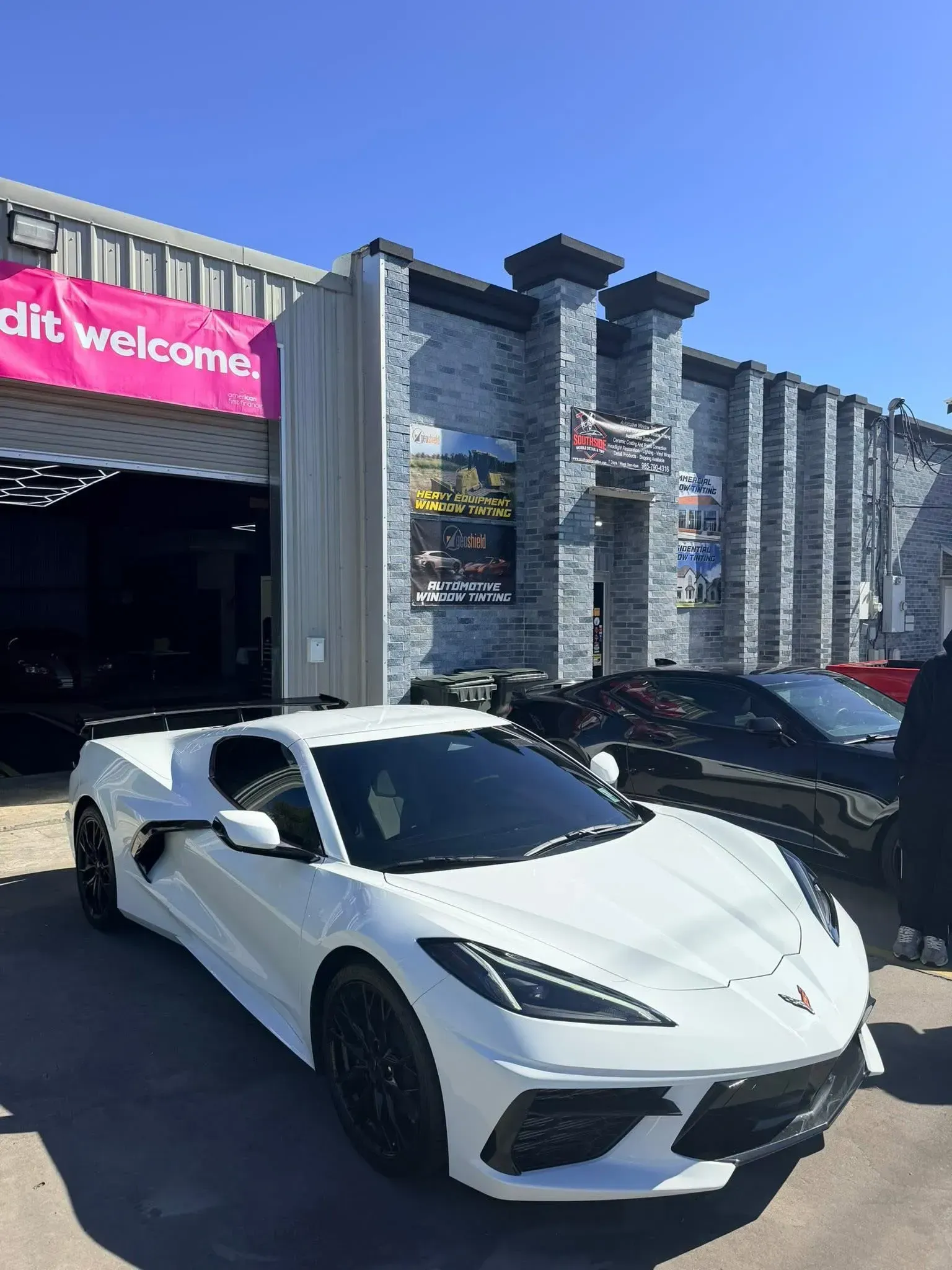
Best Window Tint Shop In Houma, LA & Houston, TX (What To Look For Before Choosing) You’re comparing the best window tint shop in Houma LA and Houston TX for one reason: heat. Gulf Coast weather is brutal. Triple-digit temps, heavy humidity, and salt air destroy average window film fast. As of 2025, both areas now share the same 25% VLT front-window limit. That makes ceramic film the standard, not an upgrade. This guide explains what matters when choosing a shop, how the new tint laws affect you, and why Gulf Coast conditions demand better installation standards. The New Standard for Gulf Coast Driving in 2025 Bayou Cane trucks and Houston Teslas face the same issue. Heat builds fast, and humidity makes it worse. Without heat rejection film for humidity, cabins overheat and interiors wear out quickly. Top shops now install ceramic window tint Gulf Coast drivers rely on for infrared rejection, not just darker glass. Salt air and coastal pollen also raise the bar. Enclosed installation bays matter more here than in dry inland cities. Mobile installs simply cannot control contamination at this level. 2025 Tint Laws: Louisiana Act 143 vs Texas 25% VLT Rule As of 2025, Louisiana and Texas are aligned on front-window tint limits. The “Magic Number”: Why 25% VLT Matters Under Louisiana Act 143 tint law, front side windows are legal down to 25% VLT. Texas follows the same rule under the Texas 25 percent VLT standard. This creates consistency across both states.This matters if you travel between regions or register vehicles across state lines. Shops that are not up to date risk installing illegal film. The End of Safety Inspections: What You Need to Know Texas ended most non-commercial vehicle safety inspections in 2025. Louisiana updated its enforcement rules as well. Window tint is no longer an automatic inspection failure.That does not mean enforcement stopped. Police still use tint meters during traffic stops. Proper installation and accurate VLT readings matter more than ever. 4 Non-Negotiables for a Top-Rated Shop (Houma or Houston) Use these criteria to judge any professional shop. 1. Nano-Ceramic Technology for 99% IR Rejection The best tint for Texas and Louisiana heat uses nano-ceramic film. Carbon film blocks some heat, but ceramic stops infrared energy before it enters the glass. It does this without extreme darkness. 2. Dust-Free, Enclosed Bays Salt air and pollen ruin film as it cures. Enclosed bays with filtered airflow prevent haze, contamination, and early bubbling. 3. Certification from Brands Like HITEK Films Look for a certified HITEK Films dealer Houston or Houma-based shop with proper manufacturer training. 4. Tesla & Marine Window Tinting Expertise (Houston / Houma) Tesla window tinting Houston, marine window tinting Houma LA, and truck window tinting Houma all involve large or curved glass. Shops without this experience often cut corners. Ceramic vs. Carbon: Which Film Beats the Bayou Humidity? Ceramic film uses moisture-resistant adhesives made for humid climates. Carbon film can warp or haze when exposed to constant moisture.On the Gulf Coast, curing also takes longer. Expect about five days before rolling windows down, compared to three days inland. Shops that rush this process risk long-term failure. Red Flags: Avoiding the “Parking Lot” Tinters in TX & LA Avoid installers who work outdoors, lack enclosed bays, or claim carbon film is “just as good.” Missing manufacturer certifications, no EV or marine experience, and outdated legal knowledge are all warning signs. Conclusion: Your Coastal Protection Checklist The best window tint shop in Houma LA and Houston TX offers nano-ceramic film, enclosed installation bays, manufacturer certification, and EV and marine experience. Ask to see VLT readings. Confirm 25% compliance. Verify curing timelines made for humidity. Coastal driving needs coastal-grade solutions. 📞 When you’re ready, speak with a certified professional at *phone number* to ask informed questions about film options and staying compliant with 2025 window tint laws in Texas and Louisiana.