
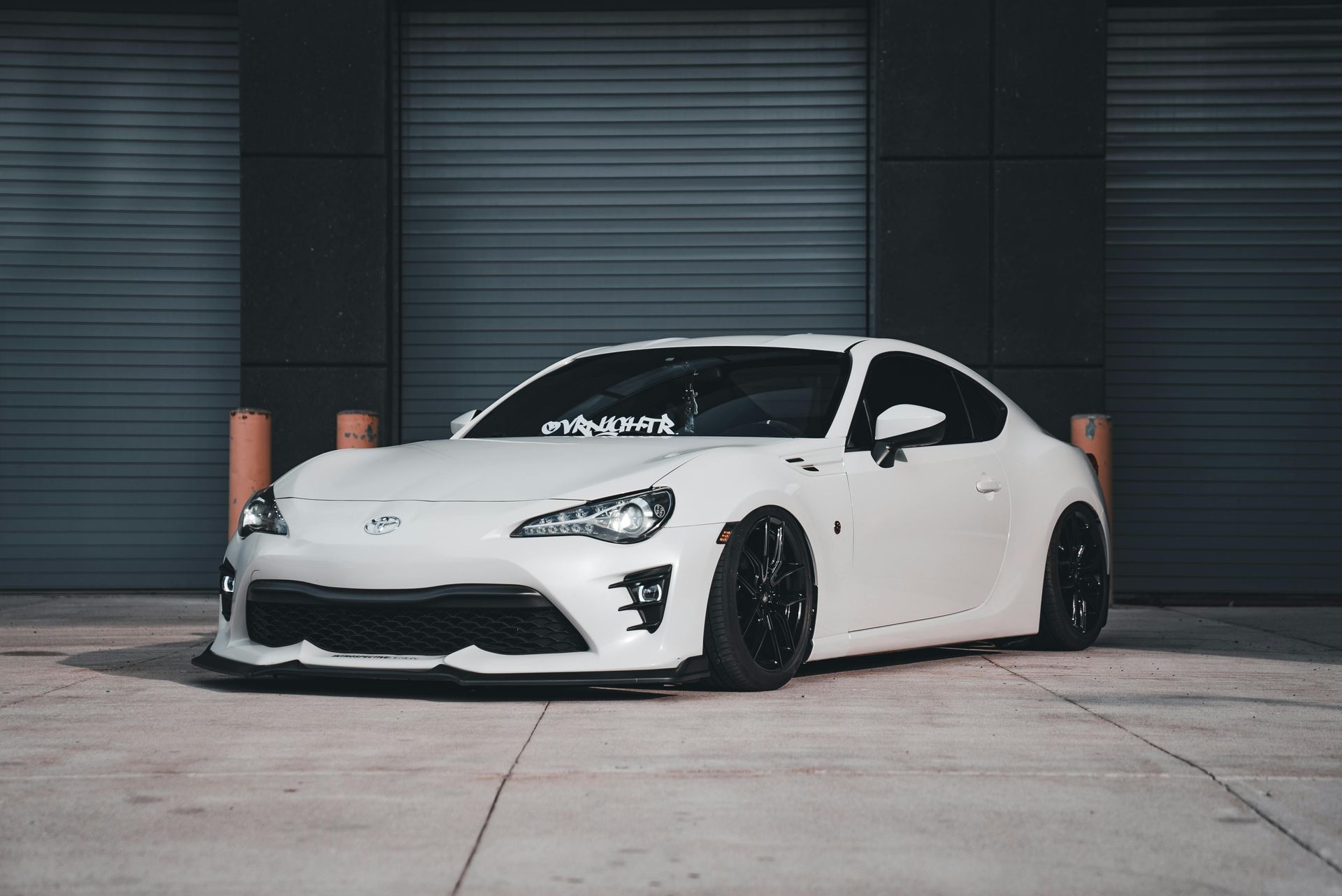
Best Window Tint for Windshields in Houma, LA & Houston, TX: Legal & Safe Options If you are researching the best window tint for windshields Houma LA and Houston TX drivers can use without risking tickets or inspection issues, the decision requires more than picking a dark shade. Gulf Coast vehicles face intense humidity, prolonged sun exposure, and two different legal frameworks. The best window tint for windshields Houma LA and Houston TX offers for cross-border compliance must balance legal VLT Houma vs Houston standards, glare control, and high infrared rejection. This guide explains Louisiana windshield tint law 2026, Texas AS-1 line rules, and why the best ceramic tint for Gulf Coast humidity focuses on heat rejection rather than darkness alone. Navigating the Law: Louisiana vs. Texas Windshield Tint Rules (2026) Understanding the difference between Louisiana windshield tint law 2026 and Texas regulations is critical for anyone traveling between Houma and Houston. The AS-1 Line Rule: The Universal 5-Inch Standard in Both States Both Louisiana and Texas restrict darker windshield tint to the AS-1 line or the top five inches of the glass. This band, often called the “eyebrow,” must be non-reflective. Tint below the AS-1 line enters the driver’s primary viewing area. In both states, that area must remain essentially clear to preserve forward visibility in rain, glare, and nighttime driving. Louisiana RS 32:361.1 – Stricter Side-Window Limits for Houma Drivers Under Louisiana RS 32:361.1, front side windows must allow at least 40% VLT. This is stricter than Texas. A vehicle set up with darker Texas-legal side windows can receive a citation once it crosses into Louisiana. For Houma drivers, that 40% VLT threshold becomes the practical baseline for cross-border compliance. Texas Vehicle Code 547.613 – The 25% VLT Eyebrow Rule in Houston Texas Vehicle Code 547.613 allows a non-reflective sun strip above the AS-1 line that can go down to about 25% VLT. However, the entire windshield must maintain a high total light transmission. Texas is clearer about permitting very light, non-reflective films across the full windshield as long as the final net VLT remains at or above the required threshold. Louisiana often interprets full-windshield applications more strictly, limiting darker material to the top band only. Why Ceramic Tint Is Non-Negotiable for the Gulf Coast Heat along the Gulf Coast is not just bright. The “wet-bulb” effect in Houma traps heat against glass surfaces. In Houston, prolonged freeway exposure along I-10 and I-45 magnifies cabin temperatures. This is where high-IR rejection windshield film becomes essential. Beating Houma Humidity: Nano-Ceramic Blocks Heat in Wet-Bulb Conditions Nano-ceramic technology targets infrared radiation instead of simply reducing visible light. In humid climates, this distinction matters. A clear nano-ceramic 70% VLT film can significantly reduce heat buildup while maintaining near-factory appearance. Unlike basic dyed films (depending on the manufacturer), advanced nano-ceramic options, such as those made by HITEK Films , are made for long-term color stability and consistent infrared rejection. The result is lower interior surface temperatures and less strain on air conditioning systems during extended Gulf Coast summers. Houston I-35/I-10 Glare: Benefits of a Non-Reflective Sun Strip Low-angle sun on Houston highways creates direct glare during morning and afternoon commutes. A properly installed non-reflective AS-1 strip helps cut that glare without affecting traffic light visibility or drawing enforcement attention. Because Texas permits darker VLT in the eyebrow area, many Houston drivers use this zone strategically for glare management while keeping the primary windshield area light. Total Solar Energy Rejection (TSER): Why Darkness Isn’t Enough Darkness does not equal performance. Total Solar Energy Rejection (TSER) measures how much total solar energy is blocked. High-quality ceramic films can deliver strong TSER values even in lighter shades. For Gulf Coast conditions, selecting film based on TSER and IR rejection provides better comfort than relying on shade percentage alone. The Best Legal Setup for Cross-Border Drivers Drivers who frequently travel between Houma and Houston need a configuration that satisfies both states while delivering effective heat reduction tint for Houston summers. The “Safe Bet” VLT % – 40% Sides as the Multi-State Magic Number A practical cross-border setup includes: 40% VLT ceramic on front side windows Non-reflective AS-1 strip within legal limits Non-metallic ceramic construction Using 40% on the sides aligns with Louisiana’s stricter requirement while remaining fully compliant in Texas. This prevents the common cross-border trap where a Texas-legal setup fails Louisiana enforcement standards. Full Windshield Solutions – Clear 80% Ceramic for UV Protection For full-windshield applications, a clear ceramic film in the 70–80% VLT range offers meaningful UV and infrared protection with minimal visible change. In Texas, this approach can comply if the final net VLT remains within legal limits. In Louisiana, lighter clear films reduce enforcement risk compared to darker alternatives, as the state typically limits tint strictly to the AS-1 band. High-performance clear ceramic films, such as those made by HITEK Films , provide strong UV filtration and heat rejection while maintaining signal compatibility for toll tags and navigation systems. FAQs Is clear ceramic tint legal on the full windshield in Louisiana? No in most interpretations. Louisiana typically limits tint to the AS-1 line only. Texas allows clear films if the final net VLT remains at or above required thresholds. Can I get a ticket in Louisiana if my car is legal in Texas? Yes. A vehicle that meets Texas 25% side-window flexibility can violate Louisiana’s 40% requirement once driven there. What is the best tint for preventing dashboard damage in Houston? High-IR ceramic film with strong TSER performance. It reduces heat buildup and slows interior fading in intense Gulf Coast sun. Does windshield tint affect TxTag or toll systems? No, if the film is non-metallic ceramic. Modern nano-ceramic products do not interfere with toll tags, GPS, or wireless signals.

How Long Does Window Tint Last in Houma, LA & Houston, TX? If you’re researching how long window tint lasts in Houma and Houston, you’re likely trying to avoid bubbling, discoloration, or premature replacement in Gulf Coast conditions. Heat shortens window film life, but extreme humidity, salt exposure, and prolonged sun compound stress on film and adhesive. This guide explains realistic lifespan expectations, how Houma and Houston differ, and what material choices and care practices help window tint last longer. Gulf Coast Lifespan: What to Expect in 2026 How long window tint lasts in Houma and Houston depends on film construction, installation quality, and daily exposure. Both cities experience high UV levels and long hot seasons, but Houma adds coastal humidity and salt air, while Houston adds urban heat retention that keeps glass hot into the night. In general Gulf Coast conditions, typical lifespan expectations are: Dyed window film: Often lasts several years before fading or color shift becomes noticeable, depending on manufacturer quality and exposure Carbon window film: Usually provides a longer service life with better color stability and moderate heat rejection Ceramic and nano-ceramic film: Commonly delivers the longest lifespan, maintaining heat and UV performance well beyond other categories Gulf Coast window tint lifespan trends lower when budget films face full sun and higher when advanced, high-TSER ceramic films are used. Because Louisiana and Texas follow similar front-window standards, durability and performance matter more than simply choosing darker glass. Material Durability: From Budget to Long-Term Tint On the Gulf Coast, film material matters more than in cooler or drier regions. The differences between dyed, carbon, and ceramic films determine how well tint survives heat, humidity, and UV exposure over time. Dyed Film: Why Gulf Coast Sun Causes Early Discoloration Dyed window film relies on colorants to reduce glare and visible light. In a general sense, dyed films can fade or shift color over time, but results vary by manufacturer and environmental exposure. In Houma and Houston conditions, dyed film may: Lose color stability under constant UV exposure Allow higher heat buildup, which stresses the adhesive layer For drivers who want a more durable option, advanced alternatives such as those made by HITEK Films use non-dyed technology to avoid these issues and maintain consistent appearance longer. Carbon Film: Balanced Performance for Gulf Coast Driving Carbon film improves on dyed technology by embedding carbon particles within the film structure. This design enhances color stability and heat rejection without using metal. Carbon films generally offer: Better resistance to UV-related color change than dyed film Reliable performance for vehicles with mixed sun and shade exposure While carbon films last longer than dyed options in most cases, they do not provide the same level of infrared heat rejection as ceramic technology. For maximum thermal control, ceramic remains the stronger choice. Ceramic and Nano-Ceramic: Built for Long-Term Gulf Coast Exposure Ceramic and nano-ceramic window films represent the highest tier of durability and performance. These films use non-metallic ceramic particles to manage heat and UV without affecting electronics. For Gulf Coast drivers, ceramic films provide: Strong UV protection and infrared heat rejection Stable color and clarity under prolonged sun exposure Long-term resistance to bubbling and delamination High-quality ceramic films, such as those made by HITEK Films , are made for high-heat environments and are often chosen by drivers who want a long-term solution rather than frequent replacement. The Survival Factors: Humidity, Salt, and Sun Houma and Houston share a hot climate, but the specific stressors on window tint differ between the two cities. Humidity and the Curing Process High humidity window tint curing is a defining Gulf Coast factor. After installation, moisture must evaporate from between the glass and film for the adhesive to fully bond. In both Houma and Houston: Light haze or moisture patterns may remain visible longer than in dry climates Rolling windows down too soon can disrupt curing and weaken adhesion Allowing a longer initial curing period helps ensure long-term performance, especially during peak humidity months. Thermal Stress from Houston’s Heat Retention Houston’s urban landscape retains heat well after sunset. Vehicles parked on concrete or asphalt often remain hot for extended periods, increasing thermal stress on window film. Repeated heating and cooling cycles can accelerate failure in lower-grade films. Ceramic films with strong adhesive systems are better equipped to handle these temperature swings over time. Salt Air and Seal Wear Near the Coast Houma’s proximity to coastal air introduces salt and fine debris into window seals. Over time, these particles accumulate and increase friction along film edges. This can lead to: Edge wear and lifting Reduced lifespan if seals are not kept clean Choosing durable film and maintaining clean gaskets is especially important in coastal environments. FAQs Does humidity cause window tint to bubble? Humidity slows curing but does not cause bubbling by itself. Persistent bubbles usually relate to film quality or installation factors. Is 25% tint legal in both Louisiana and Texas? Yes. Current regulations in both states align around a 25% VLT standard for most front side windows. Why does window tint sometimes change color early? In a general sense, color change is linked to dye breakdown under UV exposure. Non-dyed options from HITEK Films are designed to avoid this issue. How long should windows stay up after tinting in high humidity? Allowing about a week before rolling windows down helps ensure proper curing in Gulf Coast conditions.